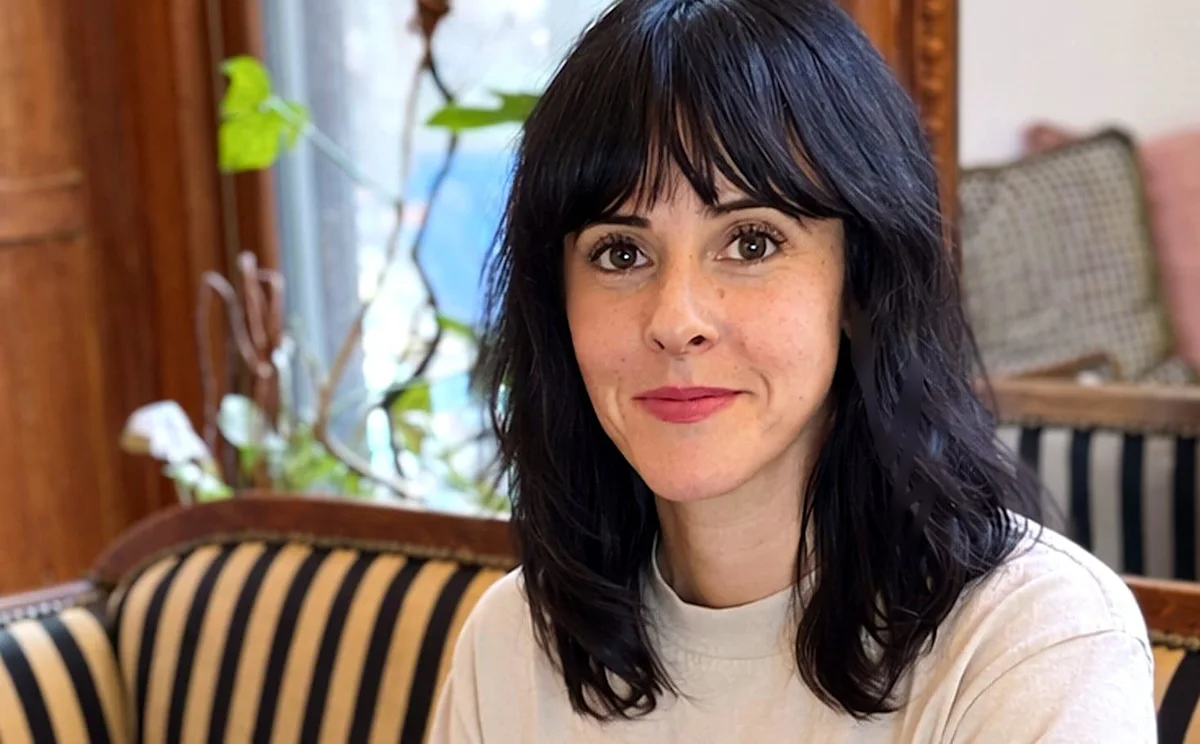
This novelist grew up visiting her mother in prison. Her debut is extraordinary
In 1981, members of the Black Liberation Army and the May 19th Communist Organisation infiltrated an armoured truck at a shopping mall in Rockland County, Ne...
- •The novel explores the complex relationships between mothers and daughters, particularly in the context of institutionalized settings.
- •The author's personal experience of visiting her mother in prison informs a nuanced portrayal of loneliness and the psychological effects of incarceration.
- •The protagonist's liminal existence between two worlds – the prison and the pseudo-collective living arrangement – serves as a commentary on the constraints of societal expectations.
In 1981, members of the Black Liberation Army and the May 19th Communist Organisation infiltrated an armoured truck at a shopping mall in Rockland County, New York. Their attempt to expropriate funds for the revolutionary struggle went awry, and three people were left dead. Amongst those arrested was the getaway truck driver, Judith Clark, a 31-year-old single mother to an 11-month-old daughter, Harriet. Clark was tried, found guilty of second-degree murder, and sentenced to three consecutive 25-years-to-life sentences: a minimum of 75 years in prison awaited her.
Initially, Harriet was cared for back on the commune on Manhattan's West Side, where she and Judith had lived together. But around the time when she was five years old, Harriet's maternal grandparents (themselves once prominent members of the Communist Party) sued for custody, becoming her legal guardians. For the duration of the nearly four decades that Judith spent incarcerated – she was eventually released in 2019, shortly before her 70th birthday – Harriet visited her mother in prison every week, their relationship conducted within and shaped by the institution at which Judith was an inmate.
These are the real-life events and experiences that underlie Harriet Clark's debut novel, The Hill. But the transformation of fact into fiction strips all sensationalism from the story (and some of the finer details are changed): Clark hasn't used this book to re-animate the violence of the robbery, probe her mother's revolutionary values, judge the motivations behind her militancy, or explore her journey to remorse and reconciliation. Nor is the novel a straightforward indictment of the horrors of the prison system or any associated institutional abuses. Incarceration is the subject, but it refers less to the literal sentence the fictional Judith stand-in serves, and more to the claustrophobia and psychological ties that tether the young narrator to her mother's institution.
Every Saturday, Suzanna and her grandfather travel to the hilltop prison where Suzanna's mother Helen is imprisoned for life. Suzanna's grandmother Sylvie waits for them back in Manhattan. Sylvie cannot forgive her daughter her crime – "What your mother did", is how she refers to it in conversation with her granddaughter – nor can she make peace with her daughter and granddaughter's ongoing relationship.
But Suzanna knows no other way of being in the world: "That great gatherings of women had been brought to live on the hill I took as the natural order." Hers is an existence of ascent and descent, "a life of perpetual return". Her grandmother is caught up in what could have been, the lives everyone could have lived if Helen hadn't done what she'd done. But this alternative reality is as alien and alienating to Suzanna as the existence of any genuine parallel universe.
The Hill is a superior study of loneliness. The institutional life of the prison finds a slightly warped mirror image in the pseudo-collective living of Suzanna's grandparents and their elderly friends, who undertake daily rounds to check on each other, and spend much of their waking hours together. Suzanna exists torn between these worlds, accustomed to, but never fully at home in, either. We meet Suzanna when she's nine, 12, 15 – by which time her grandmother asserts that she's "old enough to live her own life" – 16, 17: on the brink of adulthood.
Yet Suzanna's life has stayed so much the same she doesn't know where, or how, to begin in forging a new one. Hers is an existence devoid of transformation, instead measured out in the regular routine of prison visits and the immutability of her mother's circumstances, so too the fixity of her grandparents and their friends, people who did not get older "because they had been old for all my life". Death is the only acknowledged agent of change.
Devastatingly naturalistic but mythic in its reach, The Hill is a Bildungsroman so remarkable in both its subject and its execution that the closest comparison that springs to mind is Marilynne Robinson's magisterial Housekeeping (1980). Clark has written a novel about freedom and confinement, agency and choice, and what these states of being look like to different people, how "one person's adventure is another's expulsion".
This is a story of the horrors of family separation and estrangement, and what it means to be a vulnerable minor caught in the middle of these dramas, watching, listening, trying to understand the world, and one's place in it. But mostly, The Hill is about a child's ongoing efforts to make sense of what to them is their ordinary, known life, but what to others might seem like an extraordinary, singularly strange experience.
The Hill is published by Sceptre at £16.99. To order your copy for £14.99, call 0330 173 0523 or visit Telegraph Books
About The Telegraph (UK Wire)
Dispatches and breaking investigations syndicated from The Telegraph for News Room Daily.
Letters to the Editor & Reader Submissions
To preserve journalistic integrity and protect against automated web spam and unsolicited commercial backlink placement, open public commenting threads are closed.
We welcome thoughtful, verified commentary. Letters intended for publication on our editorial ledger must include your full name, city/country, and professional or institutional affiliation.
More in World News

Private school charging up to £14,990 per term announces sudden closure during October holidays
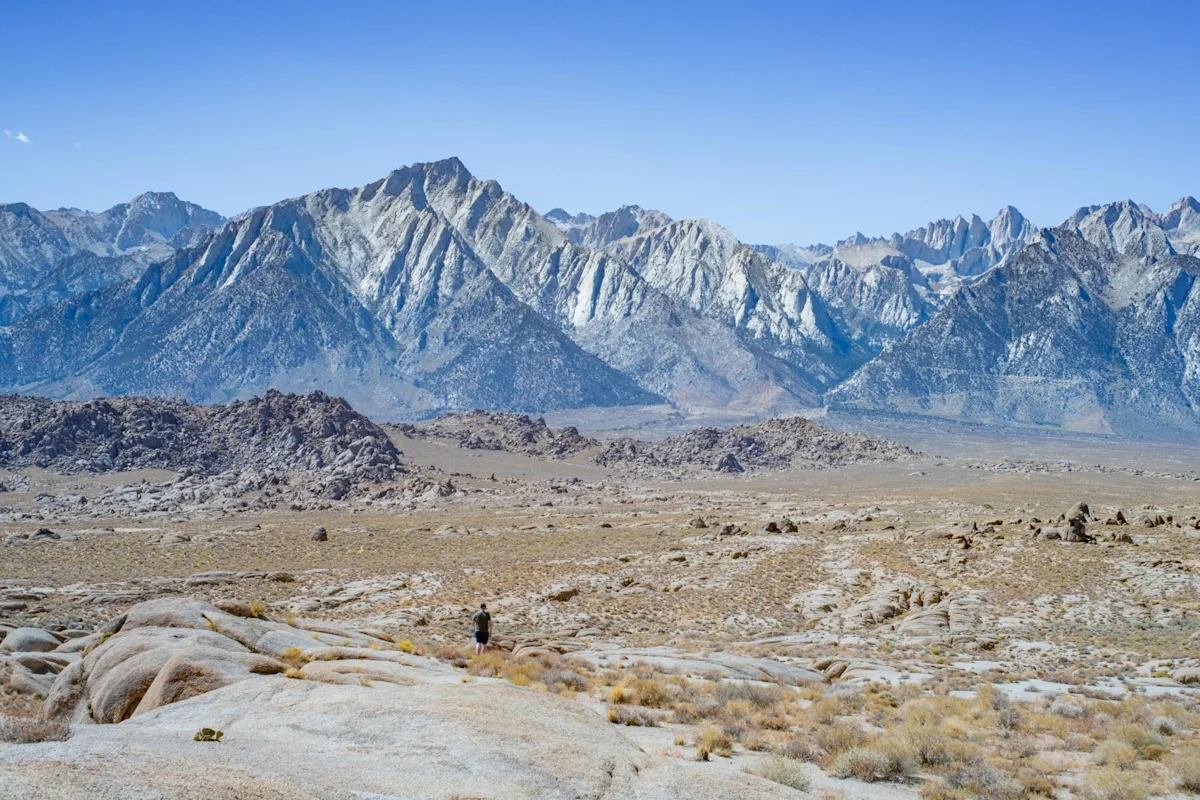
Body of missing California hiker recovered on Mount Whitney