
Healey promises Budget will help UK chart a course through global economic storm
The Chancellor’s first Budget comes against a backdrop of global economic uncertainty as a result of the Iran war.
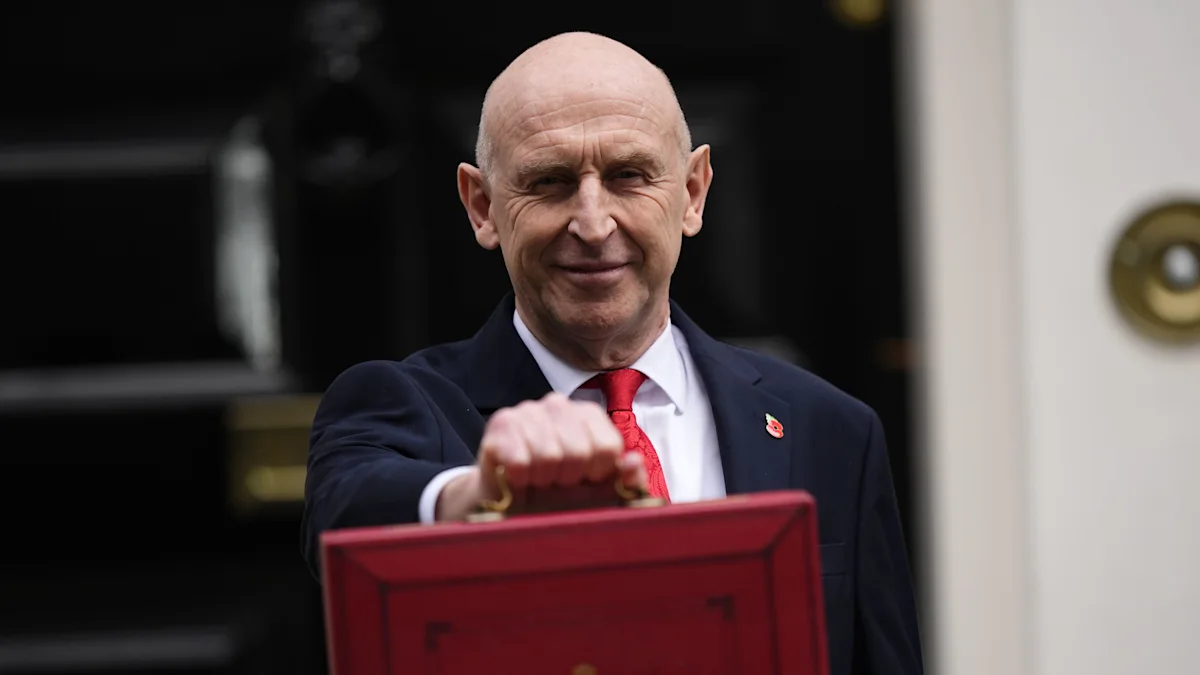
- •UK Chancellor Healey's Budget aims to mitigate economic pressures on working people and businesses.
- •Standing charges on gas bills will be scrapped, potentially saving households an average of £45 annually.
- •Energy costs will be restructured to shift fixed fees from unit rates to variable rates, benefiting 60% of households.
John Healey said his first Budget would "steer us through the economic storms".
The Chancellor said his financial package was aimed at supporting the "working people of Britain" as well as "business big and small".
Mr Healey said he was delivering his Budget "at a time when global uncertainties and pressures are swirling worldwide and hitting people here in Britain".
The impact of the war in Iran has contributed to the difficulties facing the economy, pushing up inflation as a result of higher oil and gas prices.
Ahead of the Commons statement, Mr Healey announced standing charges on gas bills will be scrapped from next year as part of his effort to ease the cost-of-living squeeze.
He said he was using his Budget to cut energy bills "for good," and signalled he will look into removing the fixed daily fees on electricity as well.
Standing charges on gas bills will be scrapped from next year for around 23 million homes, the Treasury has announced. John Healey will confirm the change in his first Budget as Chancellor on Wednesday.
The gas standing charges are added to bills, regardless of how much gas a customer uses, and cost around £108 per year for a typical household.
Mr Healey will ask regulator Ofgem to remove gas standing charges for around 23 million homes "in 2027 or as soon as possible after".
Prime Minister Andy Burnham and Chancellor John Healey meeting at No 11 Downing Street ahead of the Budget (Alberto Pezzali/PA)
Instead, fixed costs will be paid on the unit rate, which the Treasury said could save 60% of households an average of £45 on their annual bills.
The fee does not pay for the energy itself, but covers the cost of delivering gas and electricity to homes and businesses – including the cost of essential maintenance and infrastructure upgrades.
About PA Media: UK News (UK Wire)
Dispatches and breaking investigations syndicated from PA Media: UK News for News Room Daily.
Letters to the Editor & Reader Submissions
To preserve journalistic integrity and protect against automated web spam and unsolicited commercial backlink placement, open public commenting threads are closed.
We welcome thoughtful, verified commentary. Letters intended for publication on our editorial ledger must include your full name, city/country, and professional or institutional affiliation.
More in Business & Markets
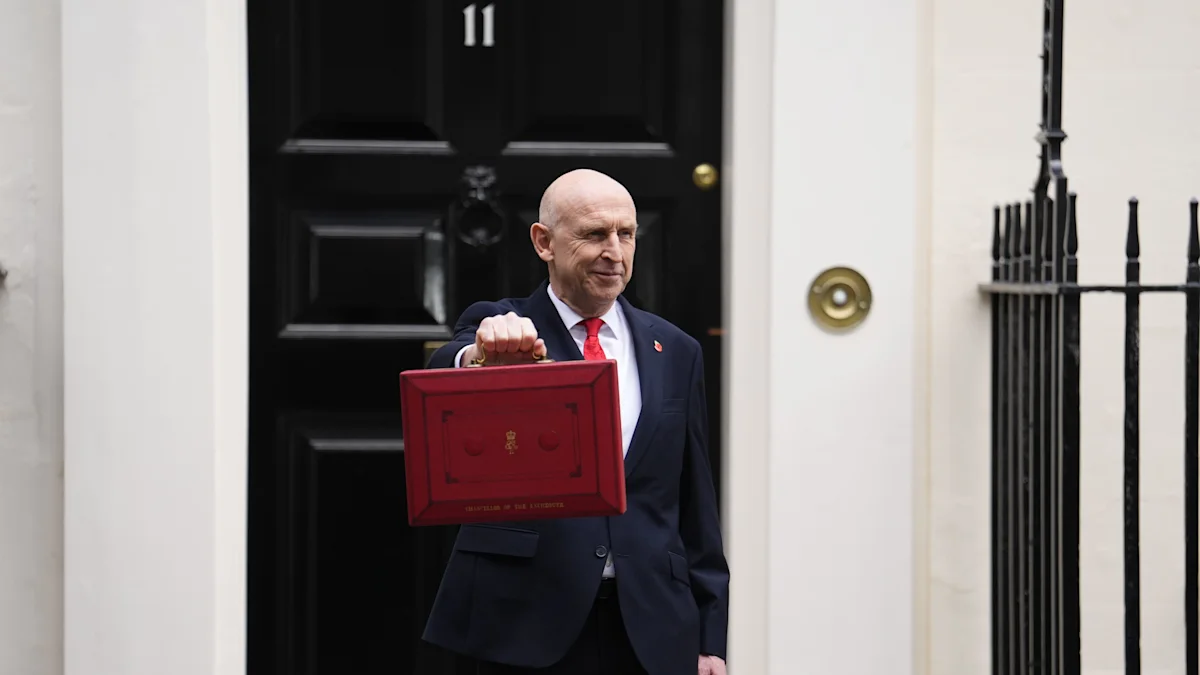
Budget Live: Chancellor John Healey promises support for ‘working people’

Federal judge rules top US prosecutor in Los Angeles isn't legally serving