How Cracker Barrel weathered a PR disaster - and bounced back
‘My biggest question is: What was the point?’ said one marketing expert
- •Cracker Barrel's logo controversy led to a significant loss of stock value, highlighting the importance of brand identity in consumer trust.
- •Despite initial backlash, the company's decision to revert to its traditional logo and focus on core values helped it recover and report better-than-expected earnings.
- •The incident serves as a cautionary tale for companies to prioritize their brand's core values and customer experience over attempts to rebrand or modernize.
The Independent and Yahoo will earn commission from purchases made via links in this article. Pricing and availability are subject to change.
Eighteen months ago, country-themed restaurant Cracker Barrel found itself in the crosshairs of a public relations disaster.
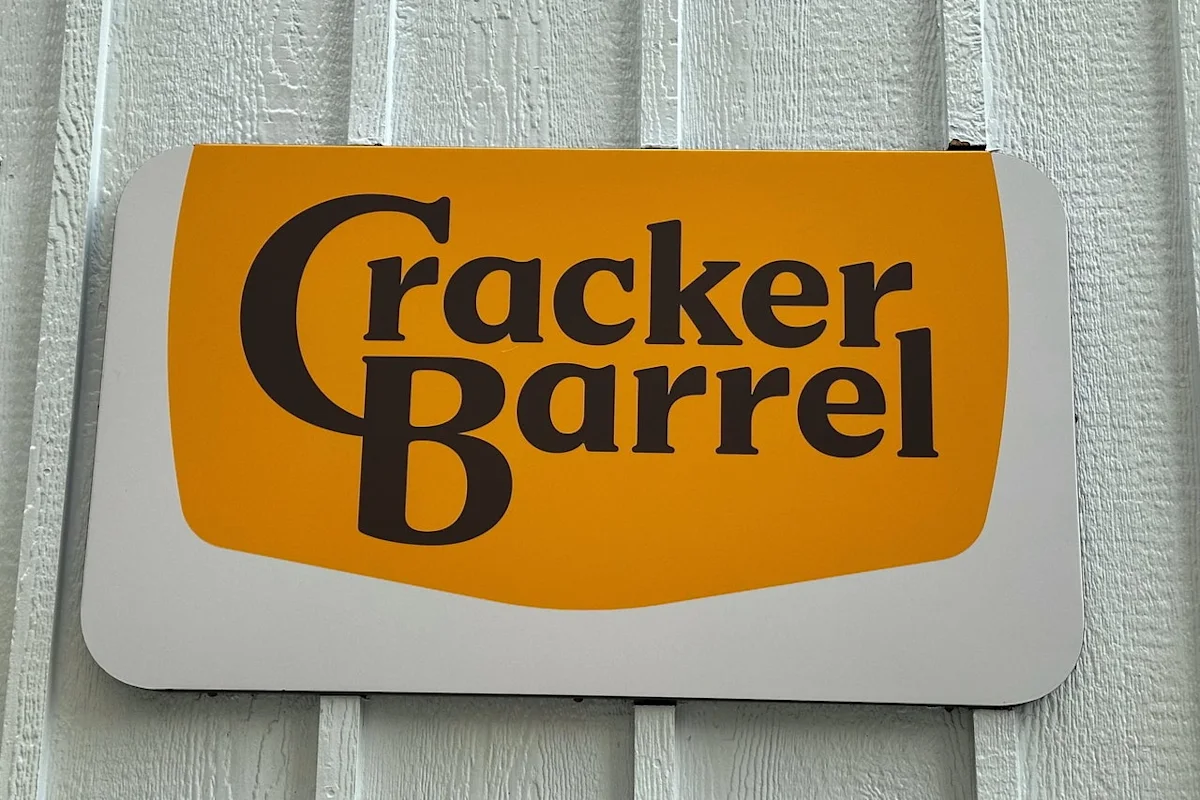
The restaurant announced a new logo on August 19, 2025, axing its longtime image of "Uncle Herschel" - an old-timer in overalls - for the company name in a sleek, new font.
Conservatives were outraged at Cracker Barrel, calling the company "woke" and saying it stripped the logo of its traditional values. Fox News ran segment after segment on the controversy.
Customers vowed not to spend another dime at the restaurant, and the company lost nearly $100 million of stock value in the days following the new logo announcement. President Donald Trump weighed in, telling the company to go back to its old logo. The official White House X account posted a spoof logo featuring Trump as Uncle Herschel and the slogan: "Go woke, go broke."
A week later, the brand announced a U-turn to the old logo and with it became a cautionary tale, chief marketing officer Stephanie D. McKenzie told The Independent in an email.
More than a year after Cracker Barrel faced a wave of backlash from conservatives for a logo overhaul, experts look back on how the company responded (Copyright 2025 The Associated Press. All rights reserved)
"Consumers aren't waiting for companies to unveil new logos," McKenzie said. "They're concerned about the quality of their experiences, the value of their purchases and whether a company continues to deliver what they've come to expect."
CEO Julie Felss Masino, a restaurant veteran, guided the company through the logo whirlwind and stepped down a year later on August 10, 2026. David Deno, CEO of Outback Steakhouse owner Bloomin' Brands, took her place on the same day.
Masino said the logo debacle had left her feeling like she'd been "fired by America" during an interview with conservative talk show host Glenn Beck in November 2025.
Last month, Cracker Barrel reported June- August earnings were better than analysts expected. Last week, the company rolled out its limited-time holiday menu, packed with American classics, and will also sell heat-and-serve Thanksgiving meals.
"Cracker Barrel is on the right track," Deno said during a company earnings call in September. "...To make sure that we continue to keep our trends going and improve our trends, our priority is going to be on food, experience and people...That's how restaurant companies win".
Experts say there's plenty to learn from Cracker Barrel's misfired rebrand, the flak it received and its decision to revert to type.
The White House trolled Cracker Barrel on X, posting the company's logo with President Donald Trump and a brief message saying, "Go woke, go broke" (The White House)
Cracker Barrel's brand is built on a throwback experience where customers are supposed to feel like they're walking into their grandparents' house for a hearty meal.
Old-timey vibes reverberate throughout the restaurant's retail store and dining area. Vintage hunting rifles, store signs and black-and-white photos hang from nearly every square inch of wall space. A massive fireplace yawns on one side of the dining room. The menu is packed with hearty favorites like country-fried steak, crispy homestyle chicken and meat loaf.
That traditional feeling that is an essential part of Cracker Barrel's brand, and that's exactly what customers felt like they were losing when they saw the company's new logo.
"My biggest question is: What was the point?" McKenzie said. "Nobody was asking for a modern Cracker Barrel logo. Cracker Barrel is built on nostalgia, comfort, grandmother's cooking and the familiarity of another day and time. Those are the very things that make the brand recognizable and relevant to its customers."
Cracker Barrel had explained the new logo was easier to see on highway signs, according to an October 2025 report from The Wall Street Journal.
But that didn't appear to convince customers. The outpouring of vitriol surprised experts such as Susan Belfer, principal at marketing and PR firm Belfer Communications.
Cracker Barrel CEO Julie Felss Masino remained in her position until August 2026, when Bloomin' Brands CEO David Deno took over (REUTERS)
"The intensity exceeded what I would typically expect from a logo redesign, particularly as the controversy became politically charged," Belfer told The Independent in an email.
Mike Kresch, vice president of strategy at mobile and digital marketing firm Moburst, said he was particularly surprised by the political backlash.
"I thought there would be criticism, but not a political firestorm that reached the White House," Kresch said in an email to The Independent.
Companies often forget that their customers who love a brand are attached to experiences and emotions and that's why the pushback was so strong, Belfer added.
"[Customers] form attachments to experiences, traditions and memories. Social media amplified that emotional response, turning a branding decision into a national conversation," she noted.
After the fallout Cracker Barrel announced its U-turn in an X post on August 26, 2025. The company also nixed plans it had to modernize its restaurants through remodels.
"We thank our guests for sharing your voices and love for Cracker Barrel," the company wrote. "We said we would listen, and we have. Our new logo is going away and our 'Old Timer' will remain."
The company's apology and reversal was the right choice, experts said.
"The smartest decision was reversing course and acknowledging customer feedback," Belfer said. "Returning to its familiar logo and traditional restaurant atmosphere demonstrated a willingness to listen."
'People don't form attachments to corporate design strategies. They form attachments to experiences, traditions and memories. Social media amplified that emotional response, turning a branding decision into a national conversation,' one expert said (AFP/Getty)
For others, Cracker Barrel still has work to do. The restaurant's food quality - which had long been the company's strength - is slipping, Natalie Gibson, CEO of public relations firm Songue PR, told The Independent in an email.
"Aside from reversing the logo and putting dining rooms back to their old aesthetic, they have yet to prove they're really turning around the chain," Gibson said. "While the logo grabbed a lot of attention, it only masked the more serious issues around food quality and experience. From current social chatter, that hasn't really improved."
Cracker Barrel's handling of its logo fiasco reveals a few important lessons for all companies to take heed of. Communication with customers is critically important, Gibson said, and it's something that the restaurant did well in the days following the PR blunder.
"Communicating through crisis and letting your customers know you hear them and are addressing their concerns [is] critically important," she said. "There is no such thing as silence - that noise will be filled by other [people] telling your brand story."
Companies should recognize that their heritage isn't something they own, but at the core of their customer base, Marin Richardson, CEO of public relations firm Disrupt PR, wrote in an email to The Independent.
"You don't own your heritage, you rent it from your customers. Move the pegs around all you want, but don't take away the board," Richardson said. "Change the kitchen, the app and the supply chain, and leave the rocking chairs on the porch. If you have to touch a symbol, show it to your angriest loyal customers first, not your agency."
A customers role in a brand's heritage is something that Keran Smith, chief marketing officer at marketing firm LYFE Marketing, told The Independent in an email.
"The biggest lesson from Cracker Barrel's past 18 months is the importance of considering what your brand truly signals to your customer base before you make changes for corporate reasons," Smith said. "Rebranding for a corporate outcome at the expense of tarnishing your brand affinity is not a winning strategy."
About The Independent (via Newsroom Daily Wire)
Dispatches and breaking reports syndicated from The Independent via the UK Wire Service.
Letters to the Editor & Reader Submissions
To preserve journalistic integrity and protect against automated web spam and unsolicited commercial backlink placement, open public commenting threads are closed.
We welcome thoughtful, verified commentary. Letters intended for publication on our editorial ledger must include your full name, city/country, and professional or institutional affiliation.
More in World News
Private school charging up to £14,990 per term announces sudden closure during October holidays
Body of missing California hiker recovered on Mount Whitney